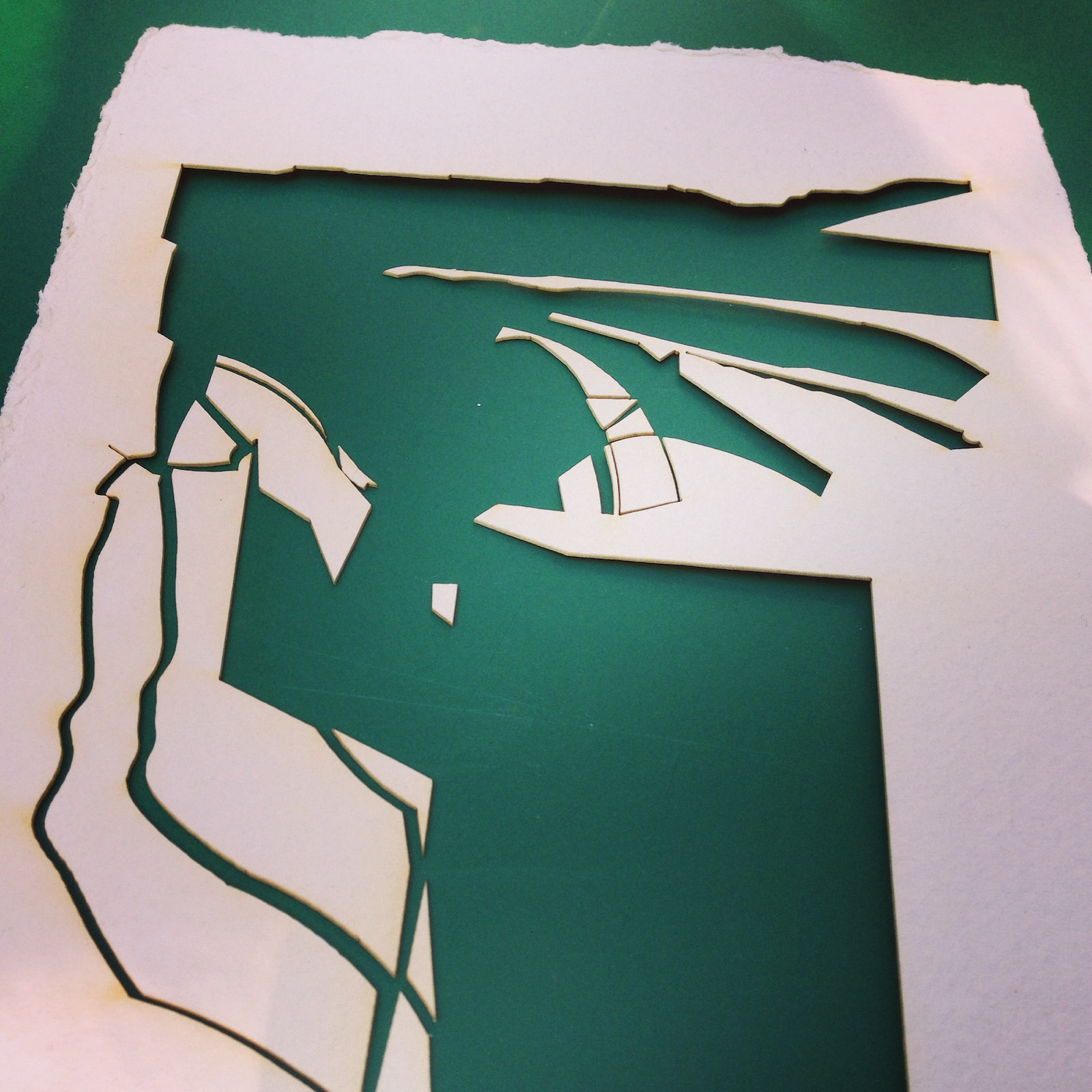
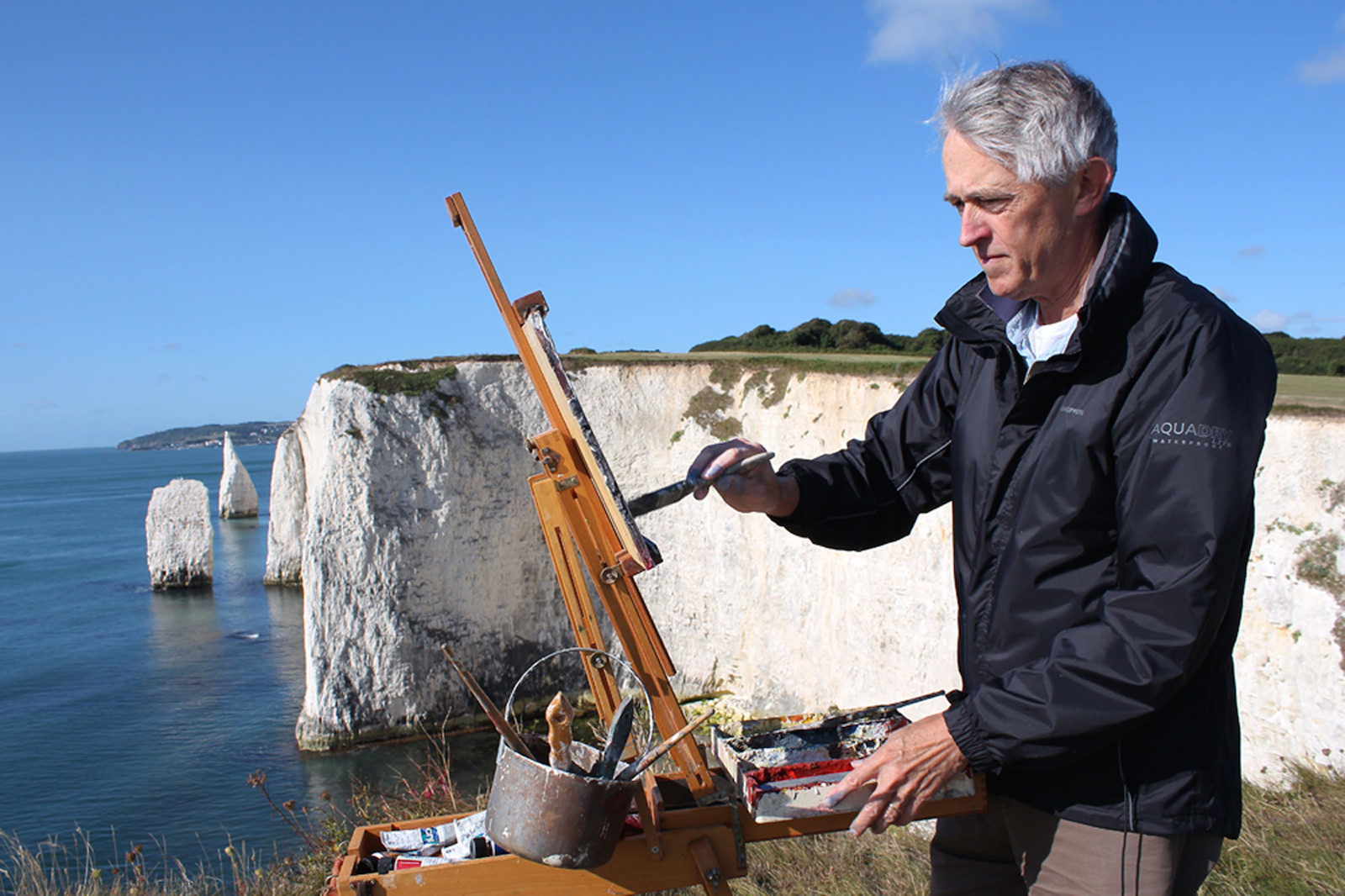
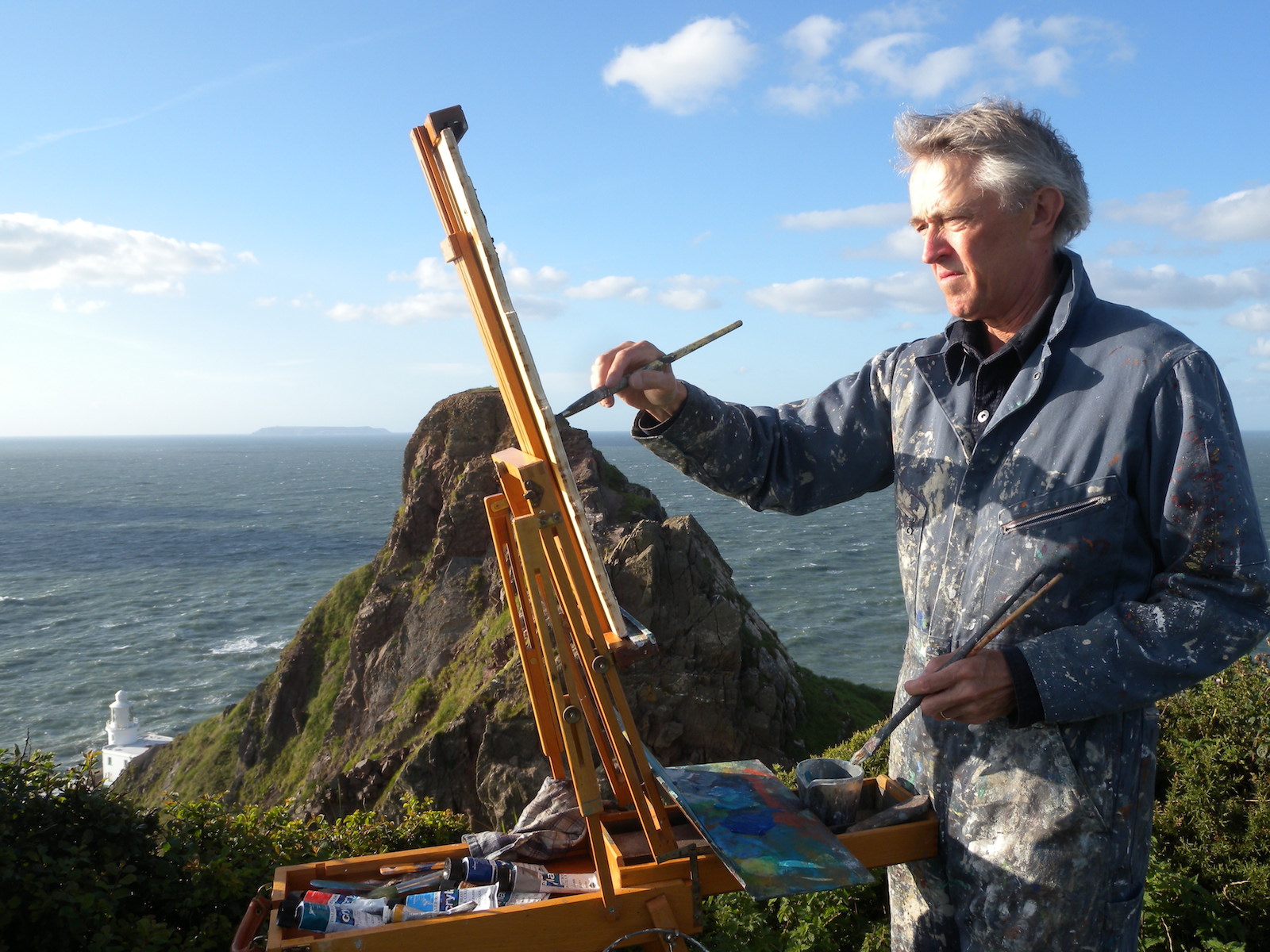
September 2015 | Start Point Lighthouse, Devon

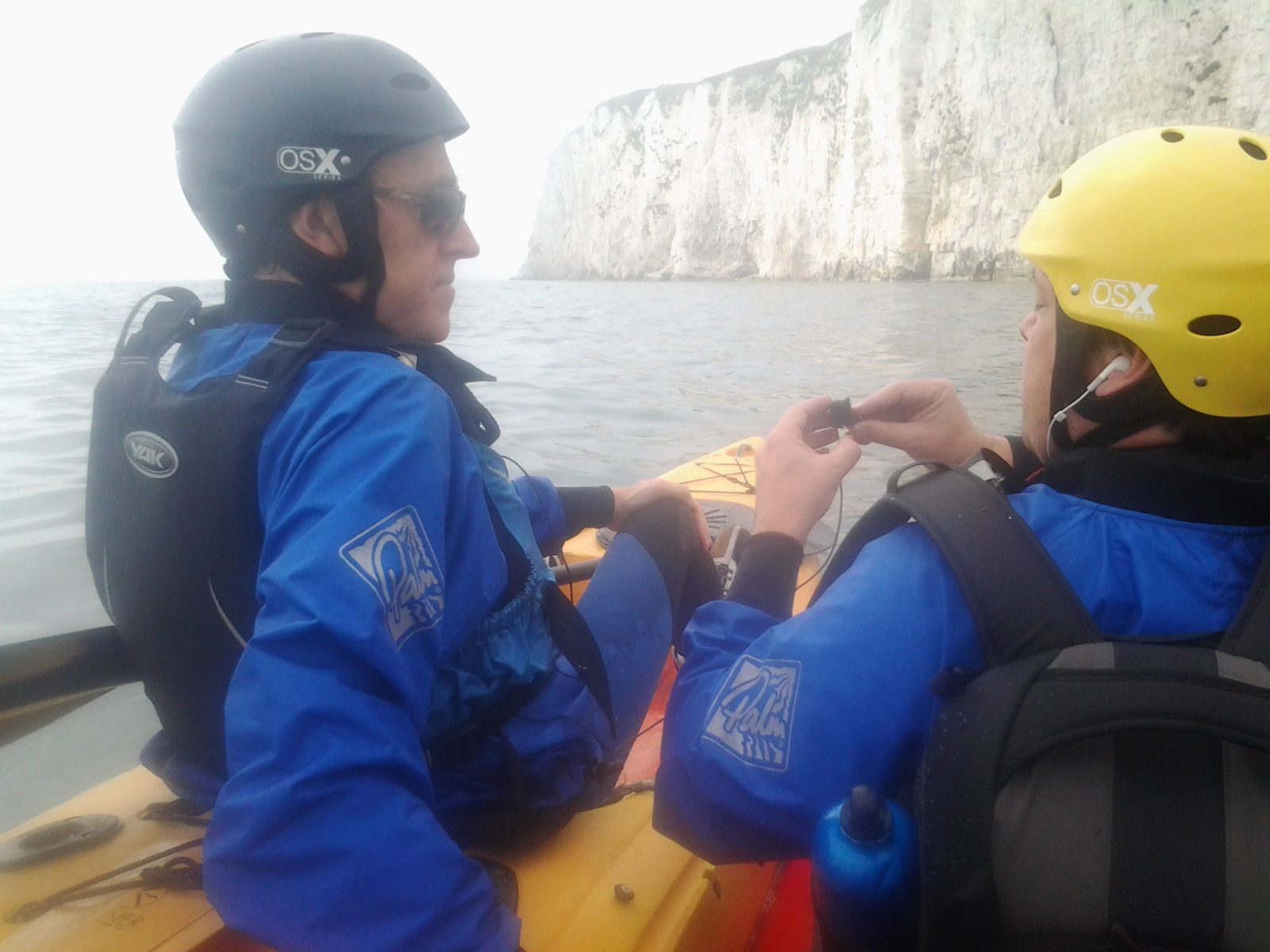
September 2015 | Start Point Lighthouse, Devon

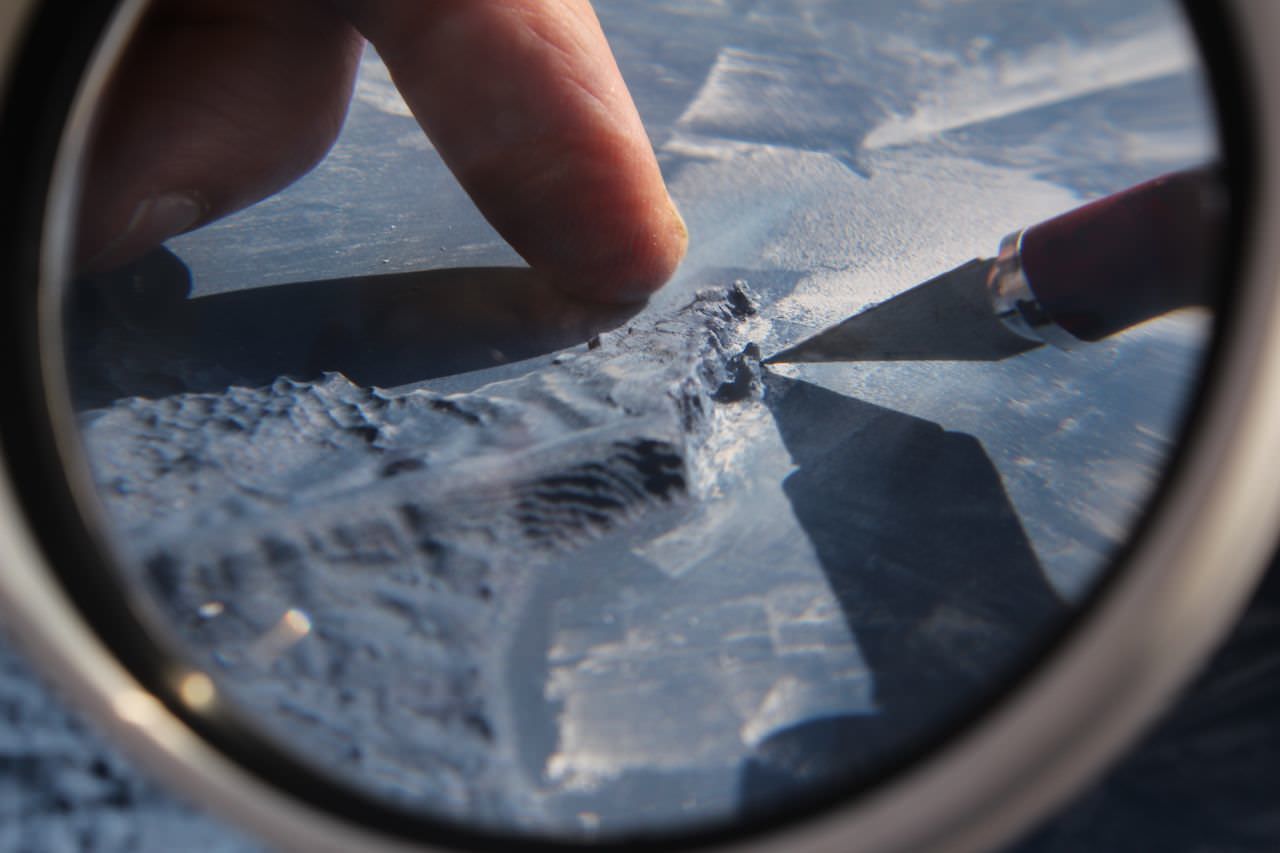
Start Point is one of the most exposed peninsulas on the English Coast, running sharply almost a mile into the sea on the South side of Start Bay near Dartmouth. The Lighthouse, sited at the very end of the headland, has guided vessels in passage along the English...
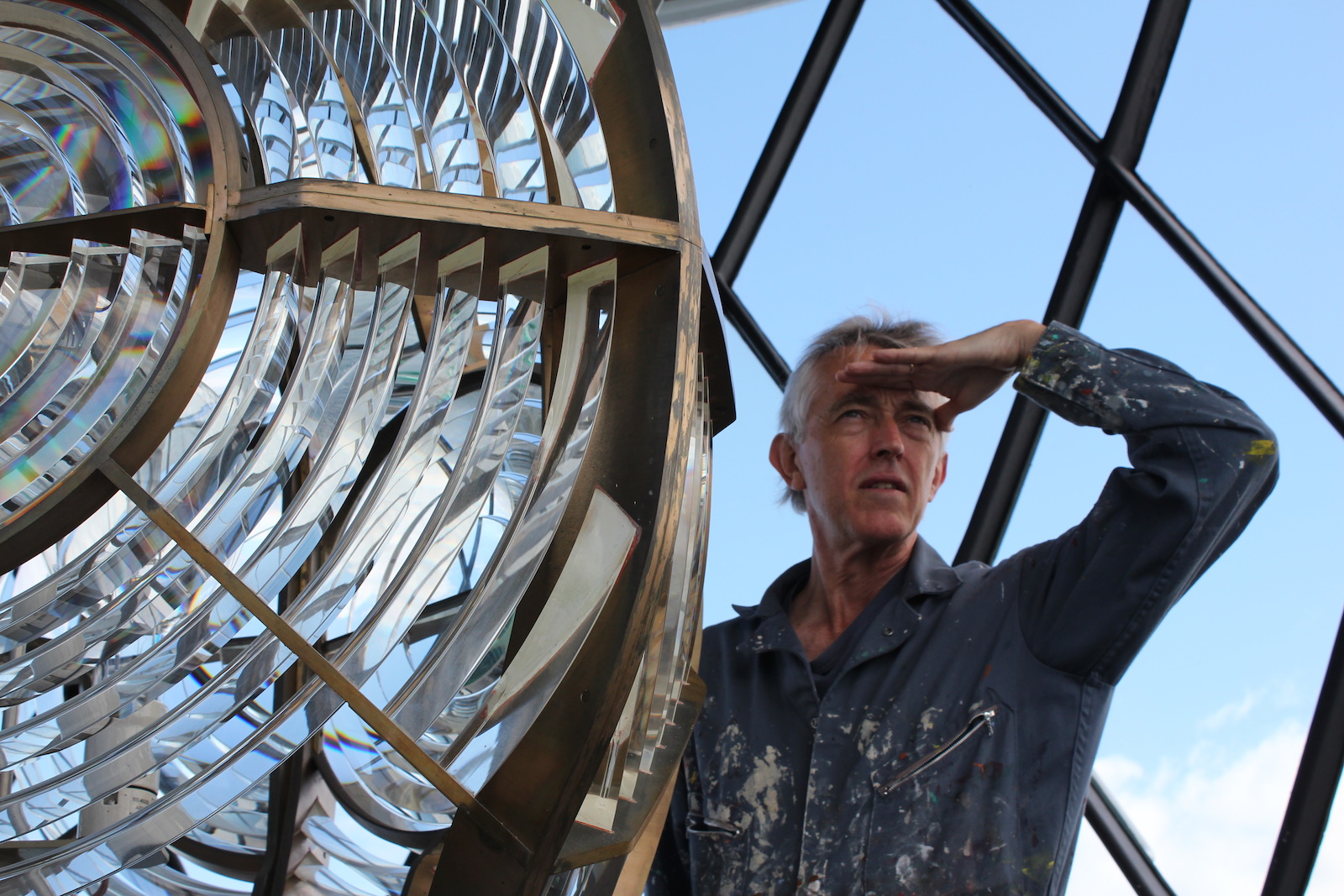
read more
May 2015 | Asa Delta (Hang-Gliding) in Rio de Janeiro

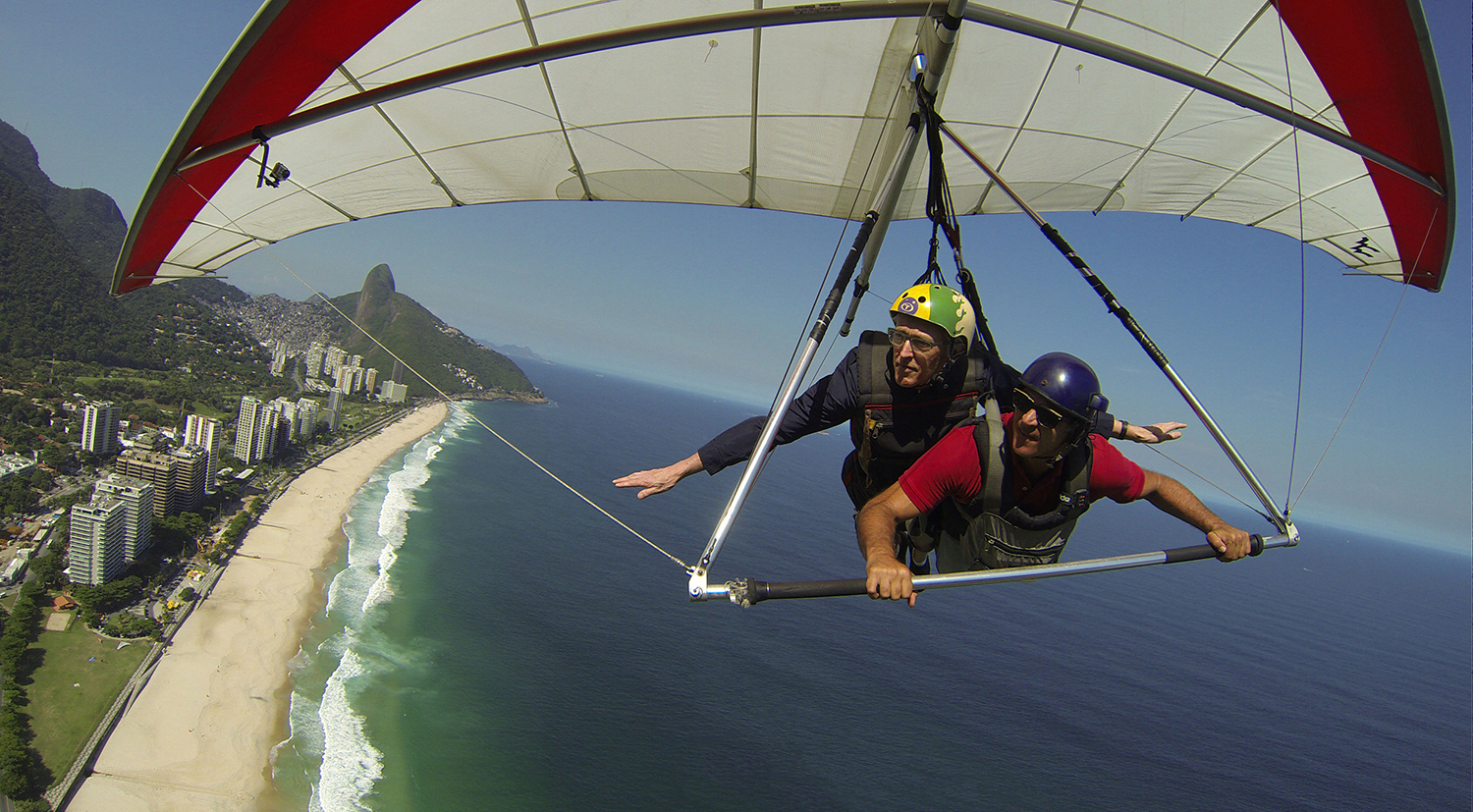
May 2015 | Asa Delta (Hang-Gliding) in Rio de Janeiro

Jeremy explores the coastal landscape of Rio de Janeiro for a new series of paintings. Roni Falcão takes Jeremy on a 10 min hang gliding adventure featuring the powerful presence of Pedra da Gávea, a Granite and Gneiss mountain with an elevation of 844 metres (2,769...

read more
May 2014 | Progress on the 3D Map of the Jurassic Coast

May 2014 | Progress on the 3D Map of the Jurassic Coast

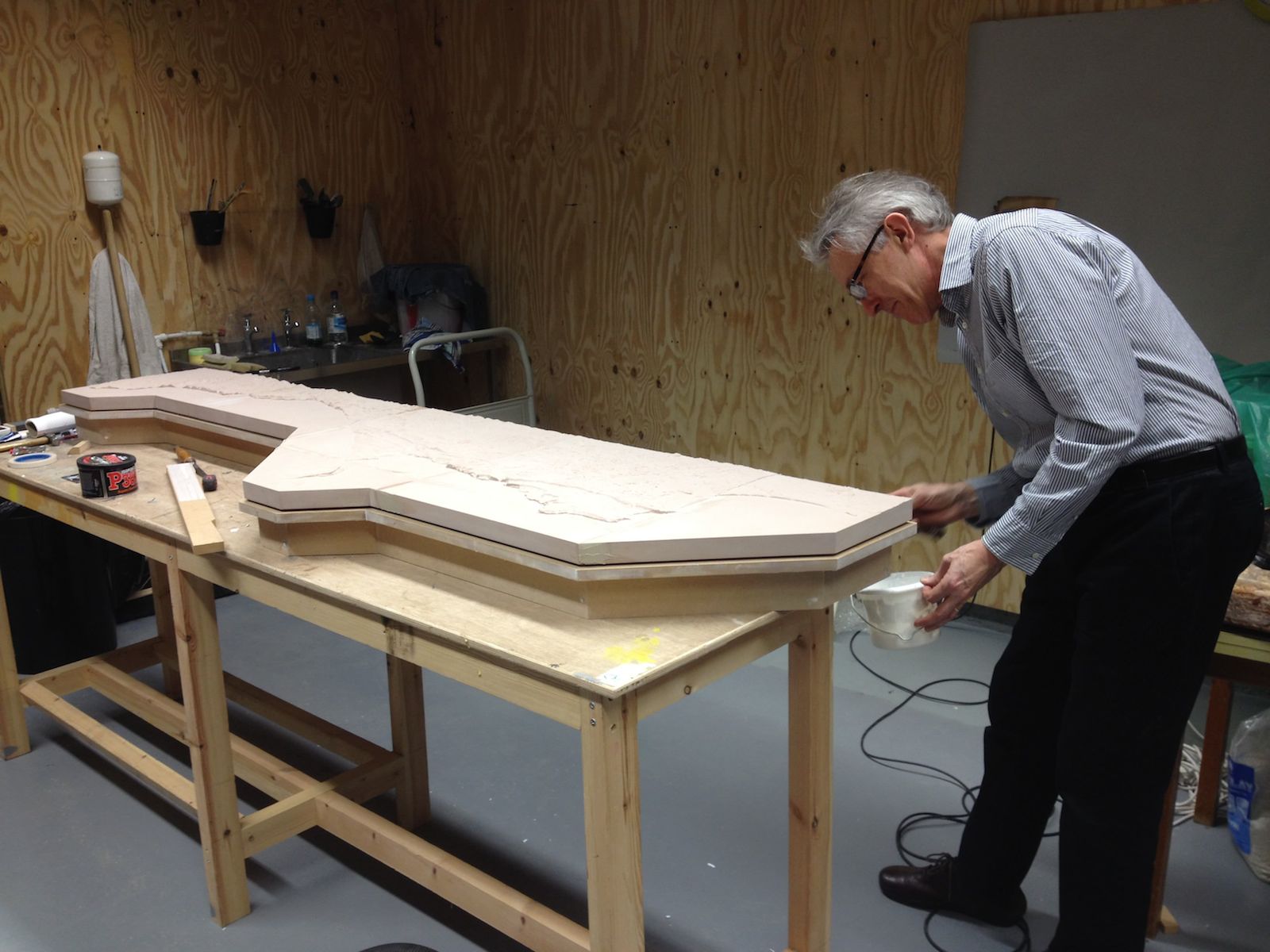
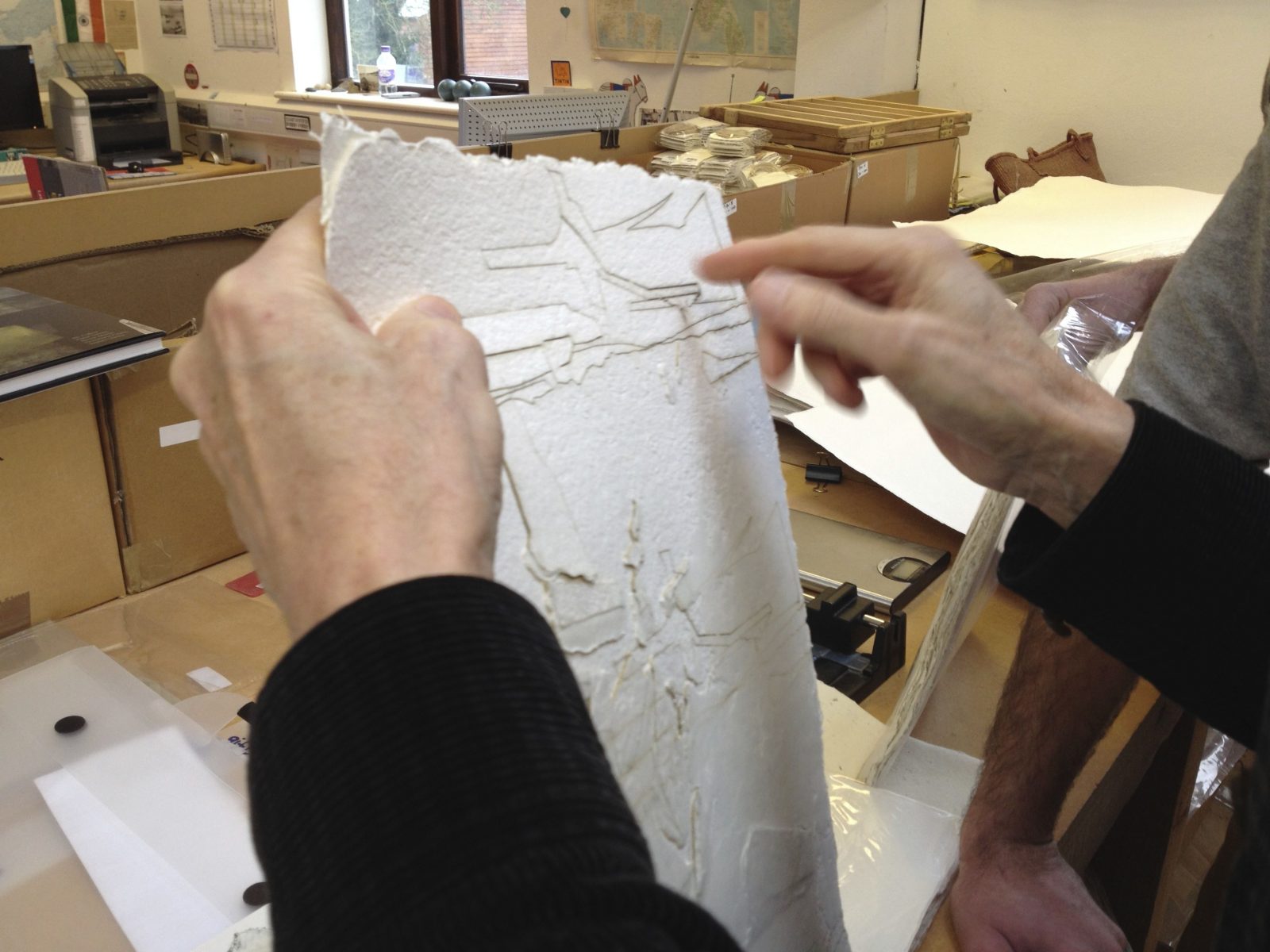
We used a CNC (Computer Numerically Controlled) milling machine to build the 3D Map from geospatial data of the Jurassic Coast supplied by Dr Andy Ford of Bournemouth University. By starting with a solid block and removing material, the Subtractive Rapid Prototyping...

read more
March 2014 | Scale Models of Lighthouses

March 2014 | Scale Models of Lighthouses

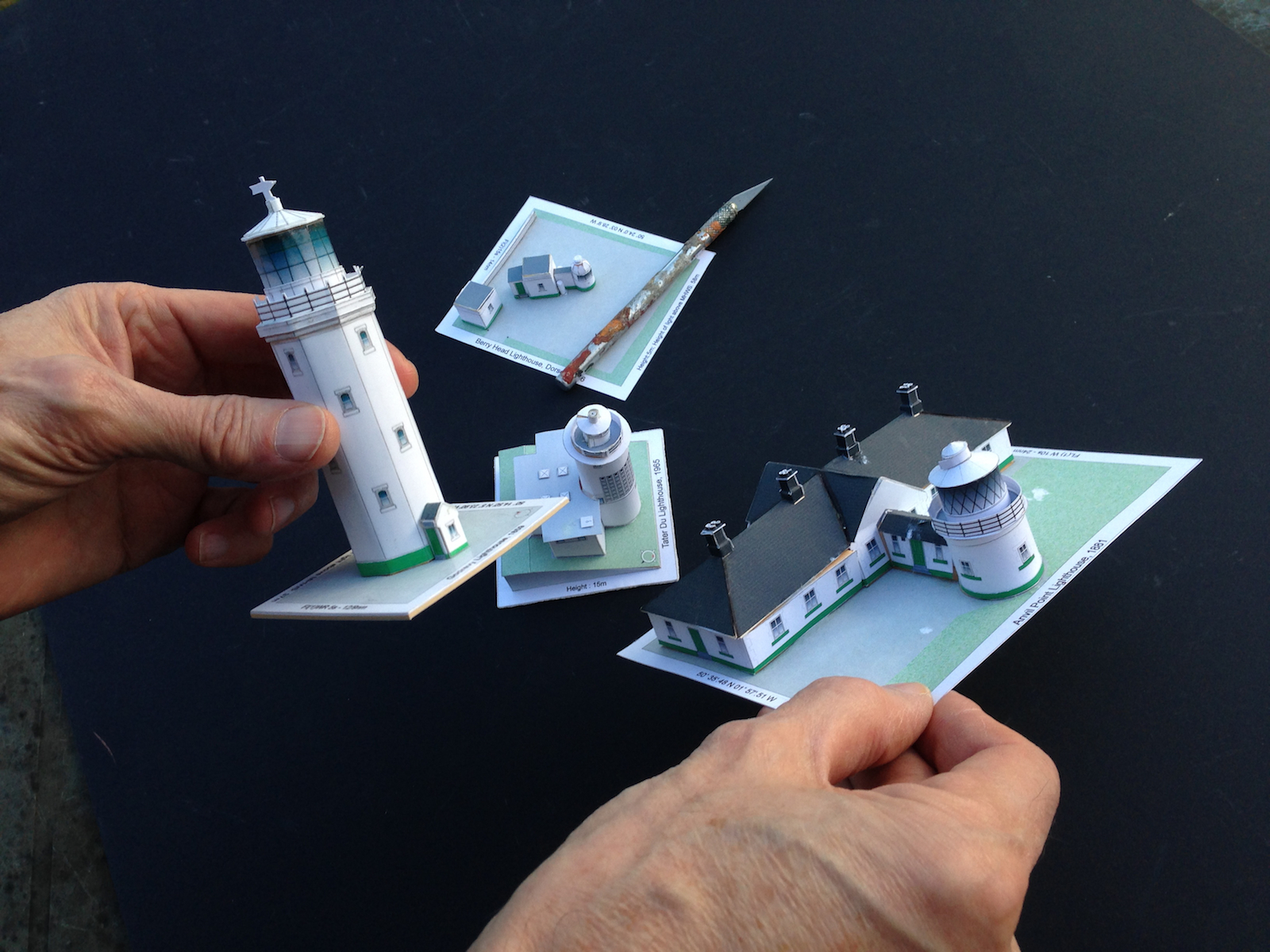
A series of scale models of lighthouses in the South West were constructed, for studio reference. Jeremy holds the models for 'Godrevy Lighthouse, St Ives' on his left hand and 'Anvil Point Lighthouse, Dorset' on his right hand; in the background you can see 'Tater Du...

read more
January 2014 | Milling a Relief Map of the Dorset Coast

January 2014 | Milling a Relief Map of the Dorset Coast

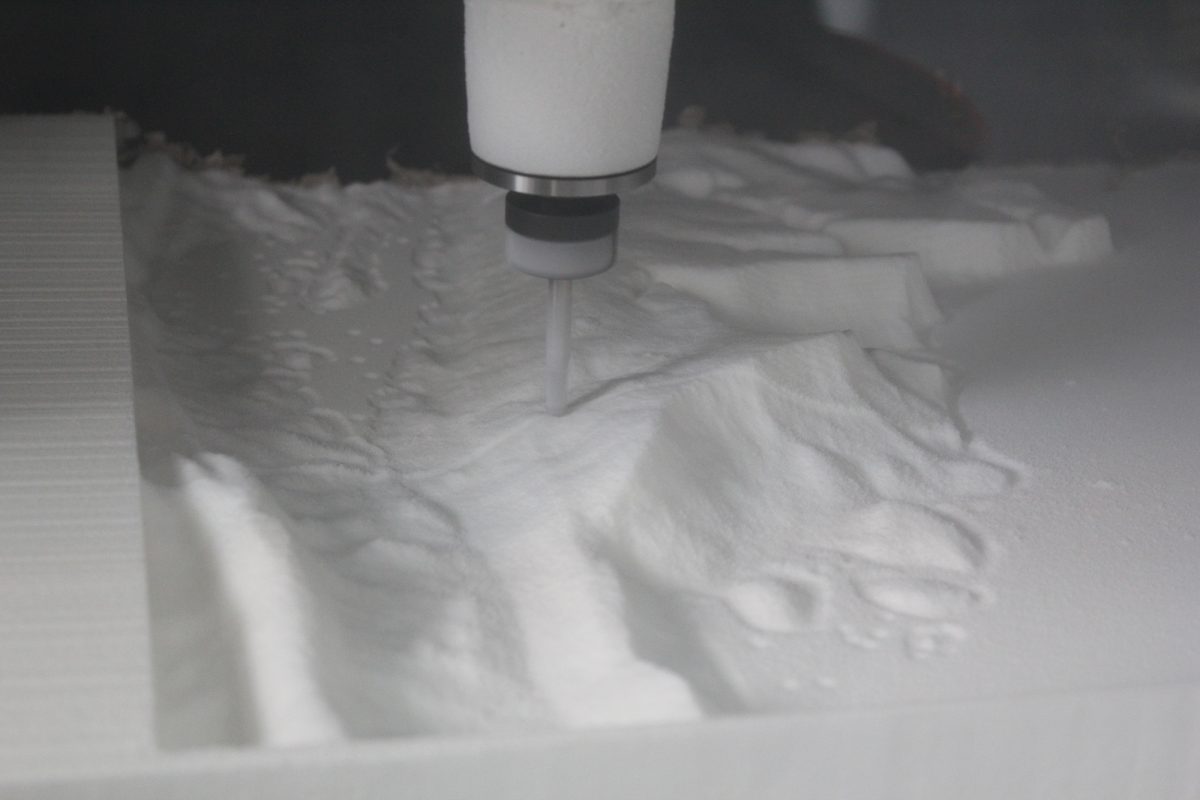
Jeremy is building a large scale 3D model of the Dorset Coast with data supplied by Andrew Ford of Bournemouth University.   The map is being carved from high density modelling board on a Roland milling machine by Jake Durrant at Ravensbourne.    ...

read more
August 2013 | Visit to Lundy Island on a Recce

August 2013 | Visit to Lundy Island on a Recce

Lundy South lighthouse stands at the south-east corner of the island and its flashing white light is visible for 15 miles. The first light was a petroleum vapour burner, but was converted to electricity in 1971. When modernised in 1994, the station was automated and...

read more